

Mastering Historic Jointing and Pointing: Lessons from Our Training with Dr. Gerard Lynch
At Craft Build, we believe that craftsmanship is a lifelong pursuit. To refine our skills and ensure we continue to deliver work of the highest standard, some members of our masonry team recently attended a specialist training course led by Dr. Gerard Lynch, a world-renowned authority on historic brickwork and lime mortars. The Historic Forms…

At Craft Build, we believe that craftsmanship is a lifelong pursuit. To refine our skills and ensure we continue to deliver work of the highest standard, some members of our masonry team recently attended a specialist training course led by Dr. Gerard Lynch, a world-renowned authority on historic brickwork and lime mortars.
The Historic Forms of Jointing & Pointing course provided an in-depth study of traditional pointing techniques, focusing on how different joint profiles evolved over time, why mortar selection is critical in historic masonry, and how to apply these methods with accuracy and authenticity. It was an opportunity to expand our knowledge, refine our techniques, and reinforce our commitment to preserving historic buildings properly.
The Role of Joint Profiles in Historic Brickwork
Mortar joints do far more than hold bricks together. Their shape, depth, and finish significantly impact the overall appearance, durability, and weather resistance of a building. Over time, different joint styles developed, influenced by architectural trends, materials, and craftsmanship. Each one serves a specific purpose—some designed to enhance water runoff, others to create a crisp, decorative appearance, and all playing a role in the character of a building.
One of the most important takeaways from the course was the need to analyse existing joint profiles carefully before any repointing work begins. Applying the wrong joint style, or repointing unnecessarily, can lead to an unnatural finish that strips a building of its original character.
Exploring Historic Joint Profiles
The course covered a range of historic jointing and pointing techniques, allowing us to practice and refine our skills across multiple styles:
- Flush Joint – A simple, level joint, commonly found in early brickwork where function took precedence over aesthetics.
- Struck Joint (Overhand-Struck) – A sloped joint designed to improve water runoff, frequently used in Georgian and Victorian buildings.
- Double-Struck Joint – A more decorative version of the struck joint, creating a defined and symmetrical mortar line.
- Ruled Joint – A clean, linear finish that creates a uniform appearance across a brick façade.
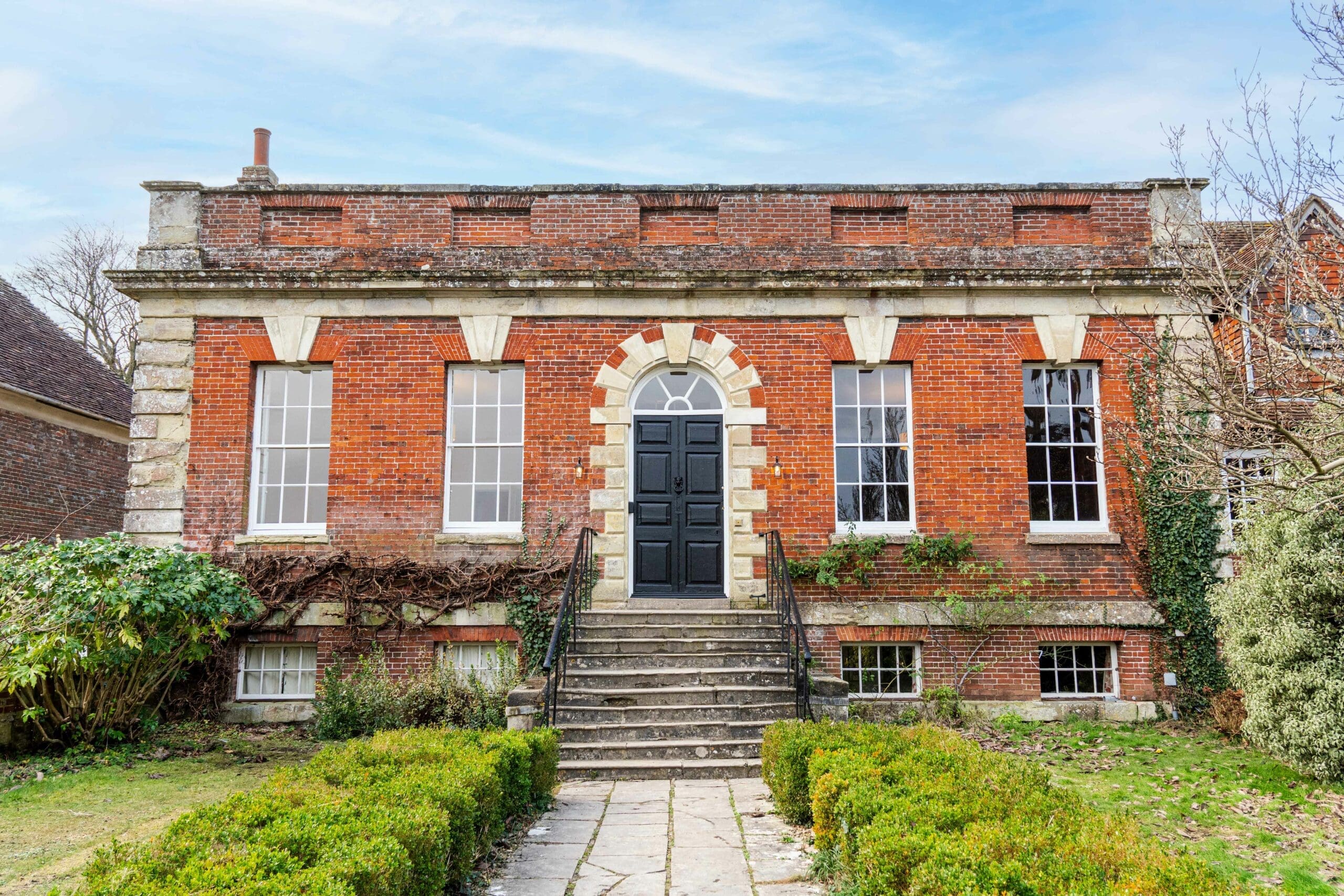
- Struck and Ruled Joint (‘Joints-Jointed’) – A precise and refined jointing technique used on high-quality brickwork.
- Pencilled Joint – A method where fine white lines were applied over mortar to mimic the appearance of cut stonework, popular in classical architecture.
- Weathered Joint – A slightly angled joint that protects against rain penetration while maintaining a subtle, recessed look.
- Weather-Struck and Cut Pointing – A highly skilled technique that creates sharp, crisp edges, often used on high-status buildings.
- Tudor Struck Joint – A distinct jointing style that defined early English brickwork and requires precise execution to recreate authentically.
- Repointing Gauged Brickwork – A specialist process requiring exceptional precision to work with finely jointed, high-quality brickwork.
Each of these profiles requires the right tools, techniques, and materials to achieve an authentic and durable finish. Understanding their function and historical relevance is essential when restoring brickwork to its original condition.
Key Lessons from the Training
Beyond mastering the technical aspects of jointing and pointing, the course reinforced several fundamental principles for working with historic masonry:
- Assess Before You Repoint – Many buildings are repointed unnecessarily. Careful analysis of the existing mortar and joint profile ensures that any work carried out is both appropriate and necessary.
- Use the Right Mortar – Historic buildings were built using lime-based mortars, which allow masonry to flex and breathe. The use of Ordinary Portland Cement (OPC) mortars can trap moisture, leading to long-term damage and decay.
- Cutting Out Properly Matters – Removing old mortar incorrectly can damage the brickwork itself. Using the right tools and techniques ensures that joints are properly prepared without harming the surrounding masonry.
- Curing and Protecting Fresh Mortar – New mortar requires protection during the curing process. Exposure to wind, rain, or frost too early can cause premature failure, affecting both appearance and performance.
How This Training Enhances Our Work
This course reinforced our approach to historic masonry restoration, ensuring that every project is carried out with the highest level of skill and attention to detail. Our team is committed to using the right materials, methods, and craftsmanship to preserve the integrity of historic buildings while ensuring their long-term durability.
By investing in specialist training, we continue to refine our expertise, ensuring that the work we carry out today will stand the test of time for generations to come.

Related reading
Every project or opportunity is different however we take pride in listening to your needs and tailoring a bespoke consulting service, providing honest technical advice, in order to form and map out the best route forward.