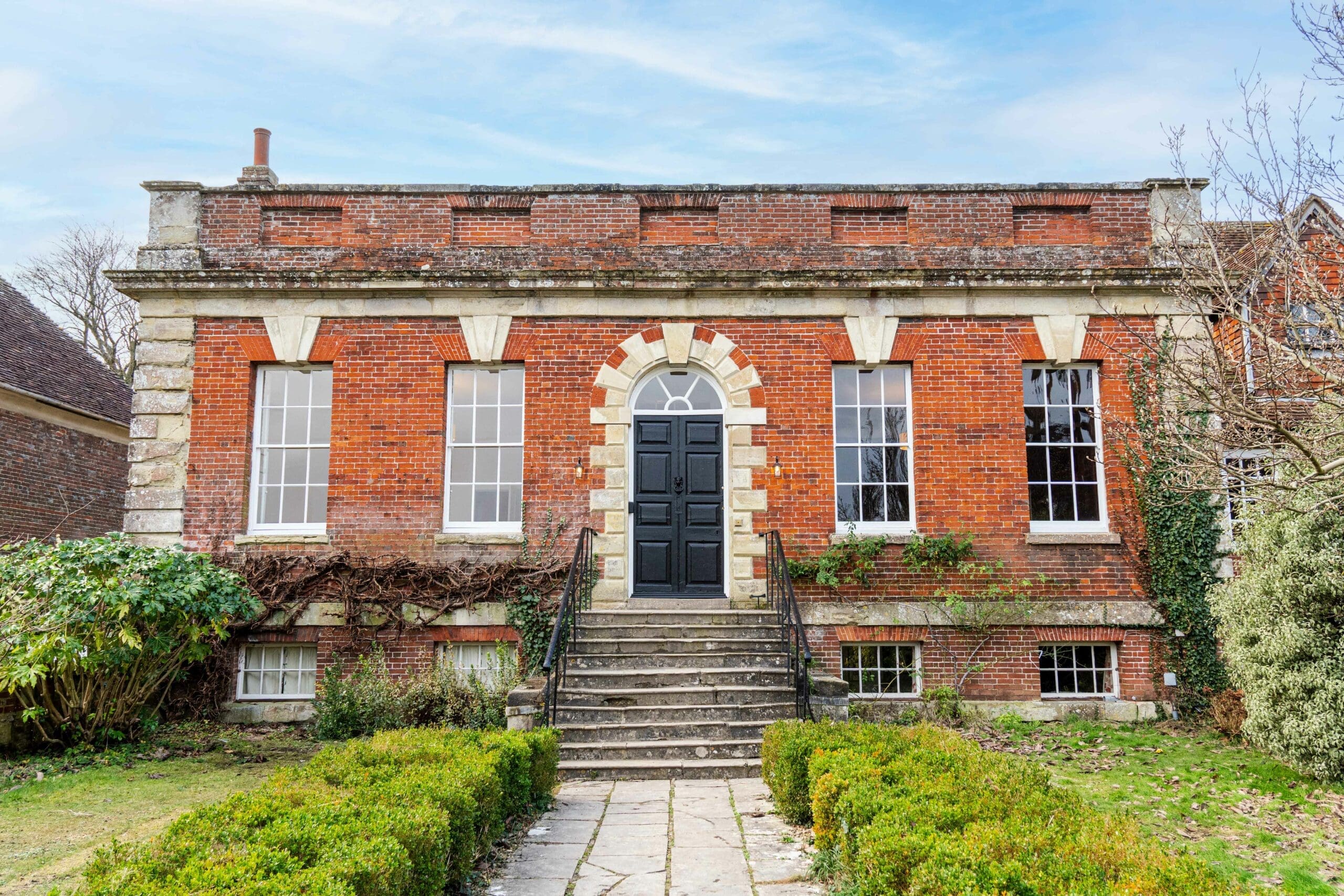


The Problem with Trapped Moisture: Why Impermeable Paints Harm Historic Buildings
Many historic buildings suffer from damp and structural damage caused by impermeable modern paints. While these coatings may seem protective, they trap moisture within the walls, preventing the building from breathing as it was originally designed to. Over time, this can lead to damp issues, masonry decay, and timber rot, affecting both the appearance and…
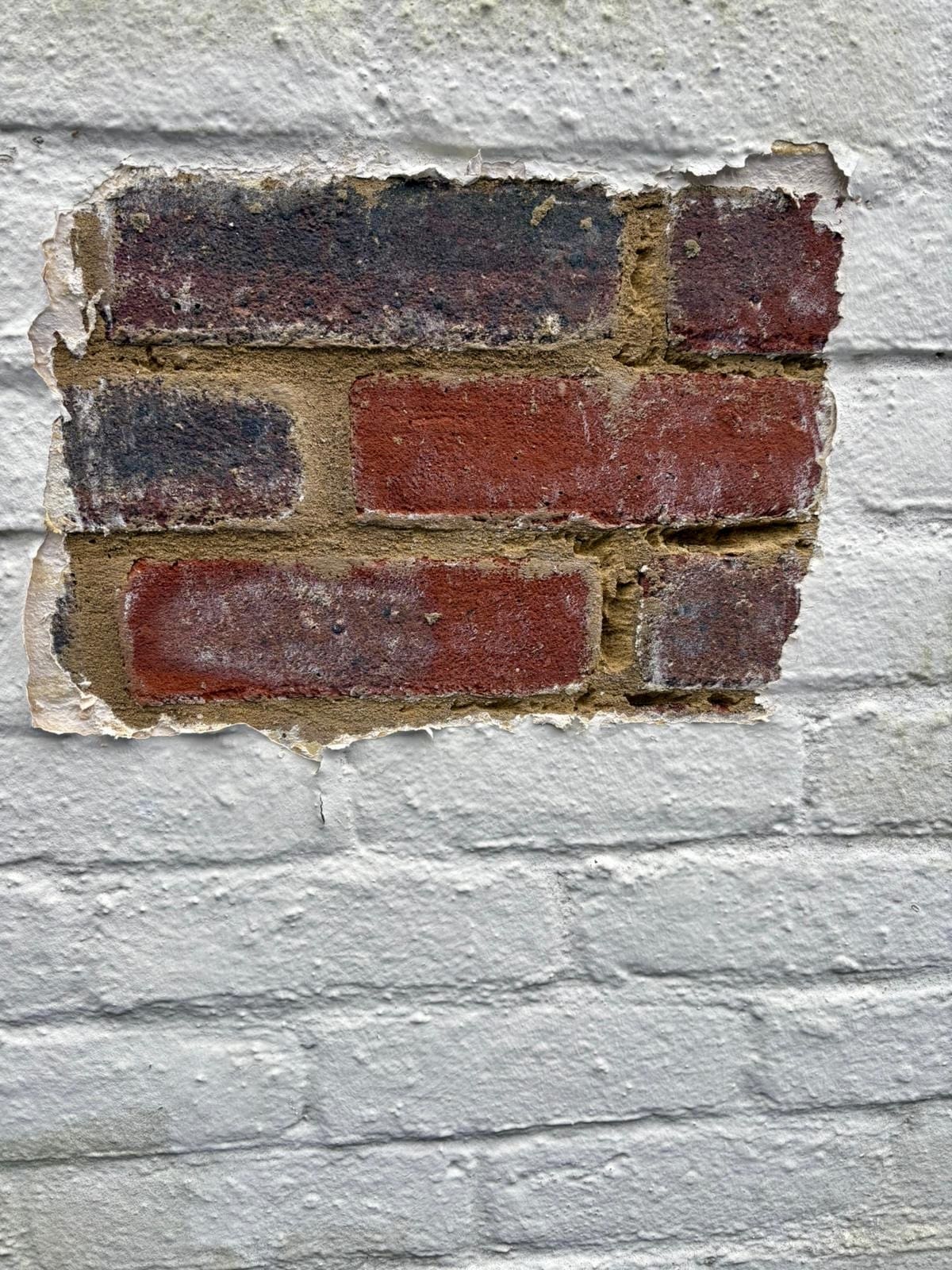
Many historic buildings suffer from damp and structural damage caused by impermeable modern paints. While these coatings may seem protective, they trap moisture within the walls, preventing the building from breathing as it was originally designed to. Over time, this can lead to damp issues, masonry decay, and timber rot, affecting both the appearance and integrity of the structure.
Why Moisture Becomes Trapped
Older buildings were constructed using lime-based mortars, porous brick, and natural stone, all of which are designed to allow moisture to evaporate. When an impermeable paint or coating is applied:
- Moisture from rain, condensation, or rising damp gets locked in.
- Trapped moisture weakens bricks and stonework, leading to cracks and decay.
- Timber elements, such as window frames, can start to rot.
- Damp patches and mould may appear inside the building.
Building conservation experts, including The Society for the Protection of Ancient Buildings (SPAB) and the Institute of Historic Building Conservation (IHBC), warn against the use of impermeable coatings on historic masonry, recommending breathable alternatives to prevent long-term damage.
Safe Paint Removal and Breathable Alternatives
Removing modern paints from historic masonry requires a careful approach. Harsh chemical treatments and abrasive methods can cause irreversible damage, weakening the brick or stone beneath.
At Craft Build, we use specialist steam cleaning to gently lift away impermeable coatings while preserving the original fabric of the building. Unlike high-pressure washing or aggressive stripping, steam cleaning:
- Breaks down paint layers safely without damaging the masonry.
- Prevents excessive water absorption, reducing the risk of further moisture issues.
- Prepares surfaces for breathable finishes, such as limewash or mineral-based paints.
Why Breathable Finishes Matter
Once an impermeable coating has been removed, switching to a breathable finish can transform the health of a building. Limewash and silicate-based mineral paints allow moisture to pass through naturally, preventing damp, decay, and costly future repairs.
A Careful Approach to Conservation
At Craft Build, we focus on long-term preservation, not quick fixes. Removing impermeable paints and reintroducing breathable materials ensures historic buildings remain structurally sound and true to their original design.
If your building has damp problems or you suspect an impermeable coating is causing issues, our team can assess the best approach to restore its breathability and integrity.
Related reading
Every project or opportunity is different however we take pride in listening to your needs and tailoring a bespoke consulting service, providing honest technical advice, in order to form and map out the best route forward.